
|
 useful links
24 July 2026 LINCOLN Rotary Club- JULY 2026 101 Strategies for Recruiting and Retaining Members – RECRUITMENT STRATEGIES {01} Club Recruitment Plan Recruiting new members is one of the most important things you can do for the future of your club. Develop a formal recruitment plan, set goals, develop strategies, and track progress. Share the plan with members and provide regular progress reports. {02} Recruitment Process Make sure your members know the selection criteria and the recruitment process. Produce a brochure that clearly and simply explains these procedures. Keep it up to date and accessible. {03} Club Membership Committee Create a formal membership committee within your club. Target enthusiastic and well-connected members, and give them the club's support to achieve its goals. {04} Reward Programs Recognize and reward members who propose new members. Reward systems can be simple (a red dot on the sponsor's badge) or more elaborate. Make sure rewards are prompt and meaningful. {05} Variety Use various recruitment methods. Since each individual is different, with varying motivations and interests, it is essential to have multiple approaches available. {06} Everyone Recruits One Ensure that every member proposes at least one new member. All Rotarians are responsible for identifying and inviting potential members; the future of Rotary depends on it. {07} Classification Survey Examine the diversity of professional and business interests in your community. Is this diversity reflected in your club? If not, identify the gaps and target individuals to broaden the classification base. {08} Membership Survey Ask members to complete the RI membership survey, naming neighbours, colleagues and others who would make good members. The survey is available on the RI website. {09} Committee Recruitment Challenge Add competition and fun to recruitment. Ask each committee to recruit at least two new members. Offer a prize to the committee that recruits the most and publish the results in your weekly newsletter. {10} Friendly Competition Divide the club into teams of 6 to 10 members. Each team must find at least one new member within a defined period (e.g., three months). Award points for each candidate proposed, more if the candidate is inducted. The team with the most points wins! District 7790 Create Lasting Impact {11} Presidential Request Ask the President to request three members to each present a new member. When one of them does so, the President asks another member. This way, there will always be three members looking for new members. {12} Replace Yourself Encourage departing members to find a replacement with a similar classification who would make a quality member. {13} Recruitment Commitment After a recruitment campaign, ask new members to commit to recruiting at least one new member in their first year. Follow up and publicly recognise their efforts when they succeed. {14} Prospective Members Forum Invite selected individuals to a special membership forum. Present the benefits of joining Rotary and allow time for questions. Involve all members to highlight networking benefits. Follow up after the forum. {15} Rotary Information Meeting Organise one or two special "Rotary information" meetings per year. Send professional invitations to selected prospective members with a prepaid reply envelope. Plan the meeting carefully and follow up after the event. {16} Coordinated Recruitment Campaign Involve other Rotary clubs in your area in a joint recruitment campaign. Share the costs and benefits of a combined recruitment activity. {17} Redirect Prospective Members If your club's schedule does not suit a prospective member, redirect them to a club that better fits their needs. Notify that club's President of the recommendation, suggesting they return the favour in the future. {18} Prospective Members List Maintain an up-to-date list of prospective members and use it to guide your recruitment efforts. Note the reasons why individuals choose not to join. If the reason is timing-related (e.g., too busy), ask again later. {19} "Bring a Guest" Meeting Invite a prominent speaker and encourage community members to attend. Have Rotary information available and ensure guests know who to contact to find out more. {20} "Bring a Friend" Service Activity Rather than inviting people to a regular meeting, invite them to participate in a club service activity. This gives prospective members a different view of Rotary and allows them to see its contribution to the community firsthand. {21} Prospective Member Kit Prepare an information kit about your club, its members and activities. Make it easy to read and visually attractive. Include a "call to action" so the reader can find out more about membership. {22} Job Description Prepare a job description for prospective members, outlining the duties, responsibilities, and the rewards and benefits of membership. Be realistic and highlight the benefits of fellowship and service. Distribute it widely. {23} Member Testimonials Ask members to prepare written testimonials about the benefits they have gained from membership. Include these testimonials in prospective member kits and club publications. {24} Rotary Business Cards Print business cards with the Rotary logo and club meeting information. Leave space for members to write their name and contact details, then hand them to guests and prospective members. {25} "Be My Guest" Cards Add the words "Be My Guest" to Rotary business cards so the card serves as an invitation to a club meeting at the club's expense. {26} Rotary International Resources RI offers a wealth of resources for clubs wishing to develop their membership, including the Membership Development Guide, PowerPoint presentations and other resources available at: www.rotary.org {27} Target Your Recruitment Efforts Think about the type of people most likely to join your club. Survey your own members: why did they join? The more you target your efforts towards those most likely to join, the more successful you will be. {28} Rotary Alumni Maintain an up-to-date list of Rotary alumni who have participated in club- sponsored activities (RYLA, GSE, ambassador scholars, youth exchanges). This list should be an excellent source of prospective members. {29} Guest Speakers Former guest speakers represent an excellent pool of prospective members. Maintain a list of these individuals with their contact details and send them a personal invitation if they would make good members. {30} Former Members It may be worth exploring whether former members would like to rejoin the club. For some, circumstances have changed and their reasons for leaving (e.g., professional commitments) are no longer valid. {31} Spouses and Partners Rotarians' partners are often called upon to support Rotary directly or indirectly. Why not encourage them to join so they too can benefit from membership? Organise a partners' evening to recognise their contribution. {32} Retirees Retirees can make excellent Rotarians. They bring a wealth of experience and knowledge, as well as extensive networks developed throughout their professional lives. {33} Young Volunteers Don't be misled by the misconception that young people are not interested in volunteering. In Australia, the 18–24 age group has the fastest growing rate of volunteering. Think of ways to target young people in your club. {34} People in the News Browse local newspapers and business publications to spot professionals moving into the area or taking on new roles. Send them a personal invitation to attend a club meeting. {35} Welcoming New Businesses Send a congratulatory welcome letter to owners of new businesses in your area. Tell them about Rotary and provide a contact if they wish to find out more. {36} Welcoming New Residents Send a welcome letter to new residents. Introduce them to your Rotary club and its activities. Invite them to attend one of your meetings. {37} Recruit for Diversity A diverse membership is more representative of our modern communities. Target prospective members from different cultural, religious and educational backgrounds, as well as varying abilities, ages and genders. {38} Welcome Guests Well When welcoming guests, make them feel welcome and appreciated. Ensure they are greeted on arrival, introduced to other members and seated next to friendly Rotarians. Thank them publicly. A follow-up letter from the President is a good idea. {39} See Things from Their Perspective Make sure you understand the prospective member well enough to identify the benefits from their point of view. Put yourself in their shoes: what is in it for them? People will join Rotary because they want to, not because you want them to. {40} Networking Benefits Do not underestimate the benefits of networking when trying to attract new members. For many, making contacts, enjoying fellowship and having fun are the most important benefits of membership. {41} Follow Up Designate a person responsible for following up on every invitation extended to prospective members. A courteous and well-timed contact can address important questions and reinforce the benefits of membership. {42} Don't Overdo It Generally, prospective members want essential information: how much time? What costs? What benefits? What do they need to do? Rather than a long speech, ask them what they want to know and focus on that. {43} Share Your Successes Share your recruitment successes with other clubs in your group, your district and around the world. Rotary's strength lies in its network, so work for the common good of all Rotarians. {44} Personalise Your Approach Some people will decline the invitation to join your club. Follow up with a letter thanking them for considering the invitation and encouraging them to contact the club if their circumstances change. {45} Prioritise Publicity People are more likely to join a Rotary club with a public profile. Make publicity an integral part of your club's activities. Appoint a publicity director and find creative ways to keep your club in the public eye. {46} Promote Service Activities Regularly promote your club's service activities. Use a sign at your public activities, the "Community Events" section of your local newspaper or local radio. {47} "What is Rotary?" Forum Organise a public forum to discuss Rotary and its work in the community. Advertise it on community notice boards and in the "Community Events" section of your local newspaper or radio. {48} Use Your Club Website Develop a website for your club and use it to promote the benefits of membership. Include a "contact us for more information" link leading directly to the Secretary, President or Membership Director. {49} Club Brochure Prepare a simple brochure presenting your club, its activities and the benefits of membership. Find a business willing to sponsor its publication and distribute it widely. Make sure it is attractive and presents your club in its best light. {50} Create a Club CD or Video Create a CD or video presenting your club's work and the benefits of membership. Find a business to sponsor its production. You could also approach media/communications students looking for projects. {51} Advertise in Local Business Publications Advertising is worthwhile. Attracting new members is a valid operating expense. Allocate a small portion of your budget to promotion and choose your advertising medium carefully. {52} Community Newspapers and Radio Local community newspapers and radio stations sometimes offer free advertising space to local community groups. Take advantage of these opportunities to raise awareness of Rotary and your club's activities. {53} Distribute Rotary Publications Ask members to display recent copies of "Rotary Down Under" and "Rotary World" in the reception areas of their workplaces. Attach a sticker to the cover indicating who to contact to find out more. {54} Rotary Displays Prepare a promotional display that can be used in public places (shop windows, libraries, shopping centres). Make sure it is visually attractive and contains information for those who want to know more. {55} Don't Just Sell Raffle Tickets If members are selling tickets in public places, encourage them to talk about Rotary and the club's activities to buyers. Many will be surprised to learn about the tremendous work done by Rotary. {56} Award Programs Sponsor award programs that raise the Rotary name and attract winners and their supporters to your club. "Student of the Month", "Apprentice of the Month", "Employee of the Month", "Citizen of the Month" are some examples to consider. {57} "Welcome New Residents" Event Jointly organise with other organisations in your town one or two welcome events for new residents each year. Congratulate them on their choice of residence and inform them of the services and benefits of your community. {58} Sponsor a New Interact and/or Rotaract Club The future of Rotary depends on the young members of our community. Help them appreciate the benefits of service from an early age and build future Rotarians. Create an Interact or Rotaract club in your area. {59} Friends of Rotary Not everyone can make a full commitment, but some still wish to contribute. Create a "Friends of Rotary" group for these individuals and encourage them to become full members when their circumstances allow. {60} Big Decisions For some clubs, membership development may require making important decisions about fundamental factors. Examine the day, time, structure and cost of meetings. Are changes needed for the long-term sustainability of your club? Involve all members in these big decisions. RETENTION STRATEGIES {61} Recruit Carefully Recruiting carefully from the outset is an important step in retaining members. Target prospective members who are genuinely interested in joining your club and ready to accept the responsibilities and benefits of membership. {62} Sincere and Realistic Expectations Ensure you establish sincere and realistic expectations from the outset regarding the time, effort and financial commitment expected of members. Members will be more satisfied when their expectations closely match reality. {63} Inductions Make induction a special event for everyone. Take time to prepare everything the new member needs (badge, framed certificate, etc.) and use the event to remind everyone of the responsibilities and rewards of membership. {64} New Member Orientation Program A significant proportion of new members who resign do so in their first few years. Develop a formal 12-month orientation program to help the member understand how the club and the organisation work and their own contribution to it. {65} New Member Welcome Kit Provide new members with a welcome kit containing important information about the club, its structure and other useful items (e.g., a Rotary t-shirt). Avoid overwhelming them; keep the information brief and to the point. {66} Quick Involvement Involve new members quickly. Identify tasks within your club that can be given to new members. Get them involved in active committees as soon as possible. Have them participate from day one. {67} Graduated Approach Develop member involvement gradually. Start by giving them specific tasks that allow limited participation, then, as they gain confidence, offer them opportunities to take on greater responsibilities. {68} Informal "Fireside" Gatherings Hold informal gatherings once or twice a year. Invite new Rotarians, their sponsors and some club members to get together for a relaxed evening at a Rotarian's home. Use the occasion to socialise and discuss how Rotary works. {69} Mentors Identify mentors in your club to support new members during their first year. Clearly define the role you want these mentors to play and provide them with basic training. Appoint a mentor for each new member. {70} Help Them Get Acquainted Offer new members opportunities to get to know other members. Thoughtful seating arrangements, special social events and "who am I?" presentations are some ways to achieve this. {71} Regular Contact Program Maintain regular contact with new members throughout their first year. Ask whether their expectations are being met or whether improvements are needed. Effective follow-up provides valuable feedback and an opportunity to improve service. {72} Make-ups at Other Clubs Take each new member to a meeting at another Rotary club in your area. This reinforces the importance of attendance, alleviates concerns about make-ups and broadens new members' networks. {73} Give Individual Attention Get to know your members individually and try to understand what motivates each of them to be a Rotarian. Use this information to assign tasks that meet both Rotary's objectives and their personal goals. {74} Recognise, Recognise, Recognise Recognise club members' achievements, formally and informally. Present certificates, hold celebrations, make phone calls, write notes, say "thank you" at every opportunity. {75} Make It Fun Members stay when Rotary is fun, when they feel valued and when they look forward to attending meetings. Assess the "entertainment" aspect of your weekly programmes and do everything you can to make Rotary an enjoyable experience. {76} Promote the Club Ensure the community recognises the valuable contribution of your club's members. Publicise important club milestones, community service activities and anything else of interest. Find advertisers to sponsor a Rotary supplement in your local newspaper. {77} Use Time Efficiently Respect your members' time by holding well-structured meetings and adhering strictly to schedules. Well-organised meetings are more effective meetings. {78} Complaints and Grievances Establish a system for club members who have complaints or grievances and communicate this system to members. Encourage members to express their concerns and address them promptly. It is far better for members to voice their concerns than to leave dissatisfied. {79} Member Satisfaction Survey Conduct an annual member satisfaction survey. Assess their satisfaction with meetings, service activities and fellowship activities. Solicit ideas for improving their Rotary experience. {80} Understand Member Motivations Volunteering should be a two-way relationship with benefits for both parties. Ask each member why they joined your club. Use the responses to strengthen your retention programmes. Motivations change, so ask regularly. {81} Greeter at the Door Plan for one or two members to act as greeters at each meeting. These individuals can welcome every member and guest upon arrival and create a warm atmosphere for the meeting. {82} Seating Arrangements Find creative ways to encourage members to sit with different people and get to know each other better. Randomly assign seats before a meeting, change the table layout or change venues to prevent seating arrangements from becoming fixed. {83} Revitalise Your Speaker Programme For many Rotarians, the speaker programme is an important avenue of professional development and one of the main benefits of membership. Make sure to invite informative speakers who appeal to a wide range of interests and announce them in advance if possible. {84} Regular Communication Communicate regularly with all your members. Use your printed weekly newsletter, an email newsletter, create a club website with a members-only section and do everything you can to keep members informed. {85} Buddy System Consider a buddy system to improve club attendance and engagement. Pair members in small groups (2 to 4) to support each other, follow up on absences and encourage participation in club activities. {86} Club Chaplains Give club chaplains the specific task of following up with members who are absent from meetings. This process helps identify and address any concerns of the absent member and inform them on how to make up the missed meeting. {87} Encourage Participation in Planning Actively involve members in club planning processes. Schedule special meetings, for example "no speaker" days, to discuss strategic and operational club issues. Encourage and value members' contributions. {88} Educate Members Educate club members to be well informed about Rotary. A positive programme of continuing education can contribute to the club's overall retention rate. {89} Conventions, Conferences and Assemblies Encourage club members to attend Rotary Conventions, District Conferences and Assemblies. These events highlight Rotary's impact and the strength of its network. Appoint a coordinator to mobilise members to attend. {90} Experience Internationality Encourage members to experience Rotary's international dimension by hosting an exchange student or study exchange participant at a meal or activity. Encourage members to volunteer for one of Rotary's international projects. {91} Evaluate Your Service Programmes Evaluate the effectiveness and relevance of your service programmes. Are they suited to your local community? Do they match members' skills and interests? Are they making an impact? If not, strengthen existing programmes and/or develop new ones. {92} Fellowship Activities Organise enough fellowship activities to keep your members well connected to each other and to the club. Offer a range of activities to cater to diverse interests and include families where possible. {93} Active Committees Encourage all club committees to be active and recognise their achievements when they occur. Find ways to support committees that are not meeting their goals and not keeping their members actively engaged. {94} Attendance Challenges Put in place a process to support members who are not meeting minimum attendance levels. Ensure these members receive a phone call from a chaplain, a "we miss you" note, a copy of the club newsletter with a personal note and/or a call from the President. {95} Rotary Family Appoint a member or committee responsible for contacting members and partners who are unwell or going through difficult times. Pass this information on to the club President. {96} Mandatory Make-up Meeting Consider a mandatory make-up meeting where every club member attends the meeting of another club. This reinforces the importance of attendance, demystifies the make-up process and is an excellent way for Rotarians to meet members from other clubs. {97} Recognise Different Capacities Different people can take on different amounts and types of work. Recognise the different capacities and tolerance levels when distributing work. Don't let a handful of members take on all the work. Find creative ways to involve everyone. {98} Avoid Volunteer Burnout Burnout occurs for many reasons: too much work, too few rewards, too few people involved, too little fun. Avoid burnout by setting realistic goals, involving as many members as possible, praising efforts and building in fun. {99} Conduct Exit Interviews Where possible, gather accurate information on why members leave your club. Look for common themes, particularly in areas over which you have some control. Develop and implement an appropriate action plan. {100} Facilitate a Transfer It is better to lose a member to another Rotary club than to lose them entirely. If a person can no longer be part of your club (for whatever reason), offer to help them transfer to another club if appropriate. {101} Be Receptive Be open to new ideas and new ways of doing things, particularly when these suggestions come from members. Even if you don't have to implement everything, you have a responsibility to listen and show your appreciation. |
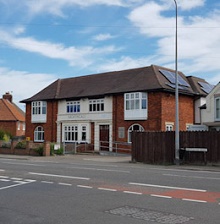 The club meets on Mondays at The Nightingale, 116 Nettleham Rd., Lincoln, LN2 1RR Maps available at multimap.com.  3 August 2024 Rotary District 1070’s Minor Sports competition more... 2 September 2024 Foodbank project more... 14 October 2024 Women's refuge project more... view all coming events... |

